Legacy & Impact
- Home
- Legacy & Impact
Continuing Influence on Tribal Rights Movements
Ideological Legacy
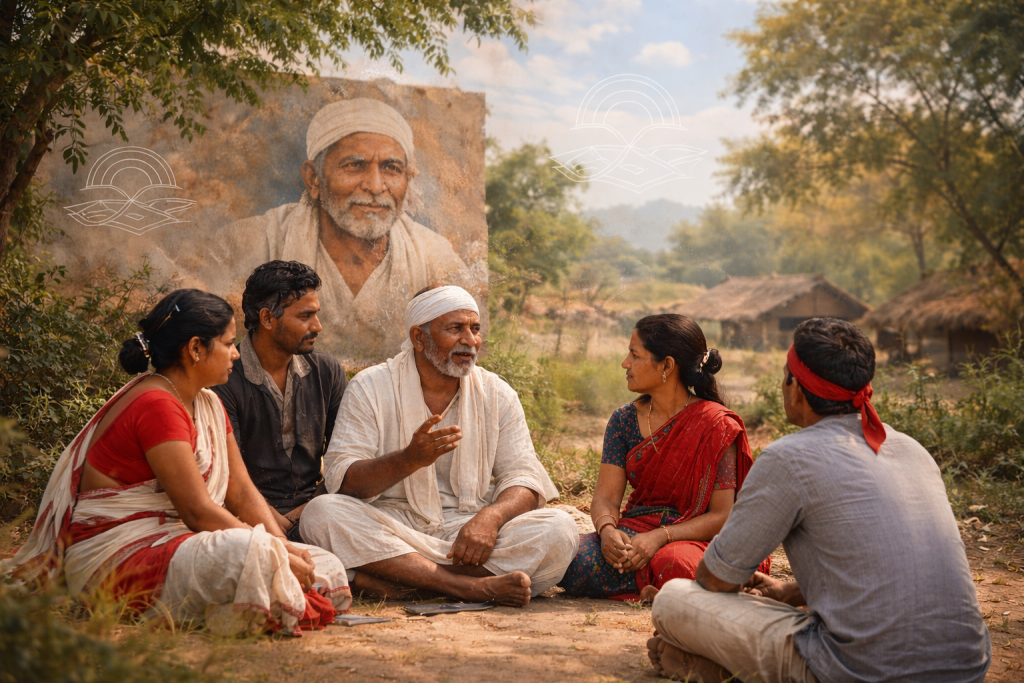
Jatra Bhagat’s teachings continue to guide tribal rights movements through their emphasis on dignity, moral discipline, and non-violent resistance. His belief that social change must begin with ethical living and community unity remains central to modern advocacy. Tribal movements today reflect his vision by combining cultural pride with peaceful assertion of rights, ensuring that resistance remains rooted in indigenous values rather than external ideologies.
Grassroots Mobilization
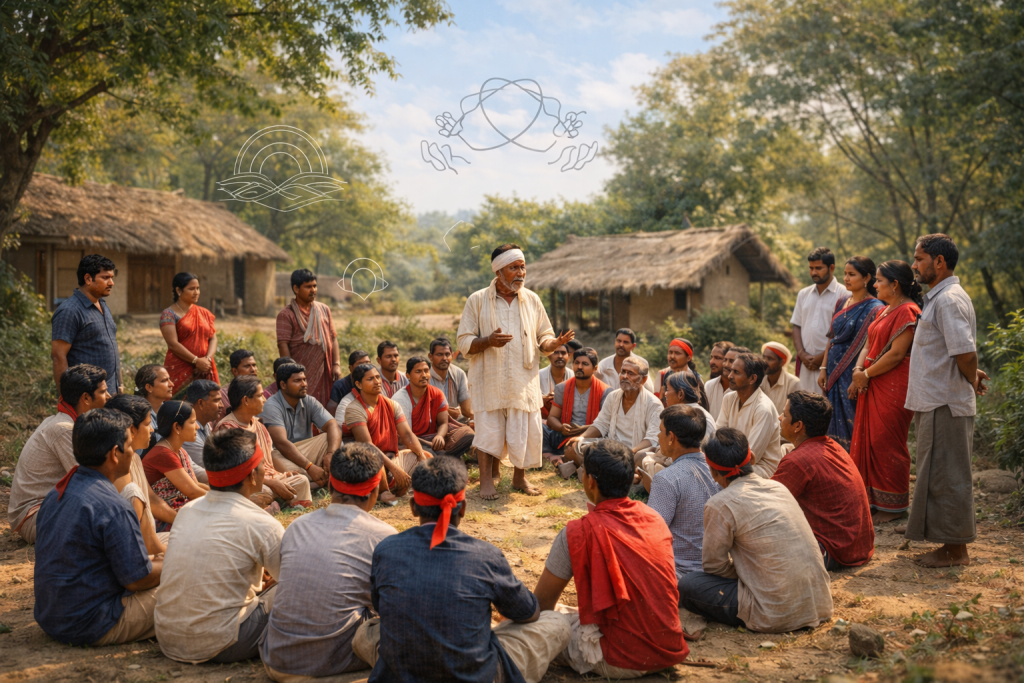
The spirit of the Tana Bhagat Movement is visible in grassroots tribal mobilization across Jharkhand and neighboring regions. Community-led movements for land protection, forest rights, and social justice follow the same principles of collective responsibility and peaceful action. By organizing at the village level and strengthening internal unity, these movements echo Jatra Bhagat’s model of empowerment through participation and shared purpose.
Cultural and Political Impact
Jatra Bhagat’s influence extends beyond activism into cultural and political awareness. His legacy has helped shape tribal identity as a source of strength within democratic processes. Contemporary tribal leaders and organizations continue to draw inspiration from his methods, using dialogue, unity, and moral clarity to engage with institutions while safeguarding indigenous rights and traditions.
Influences That Shaped His Ideology
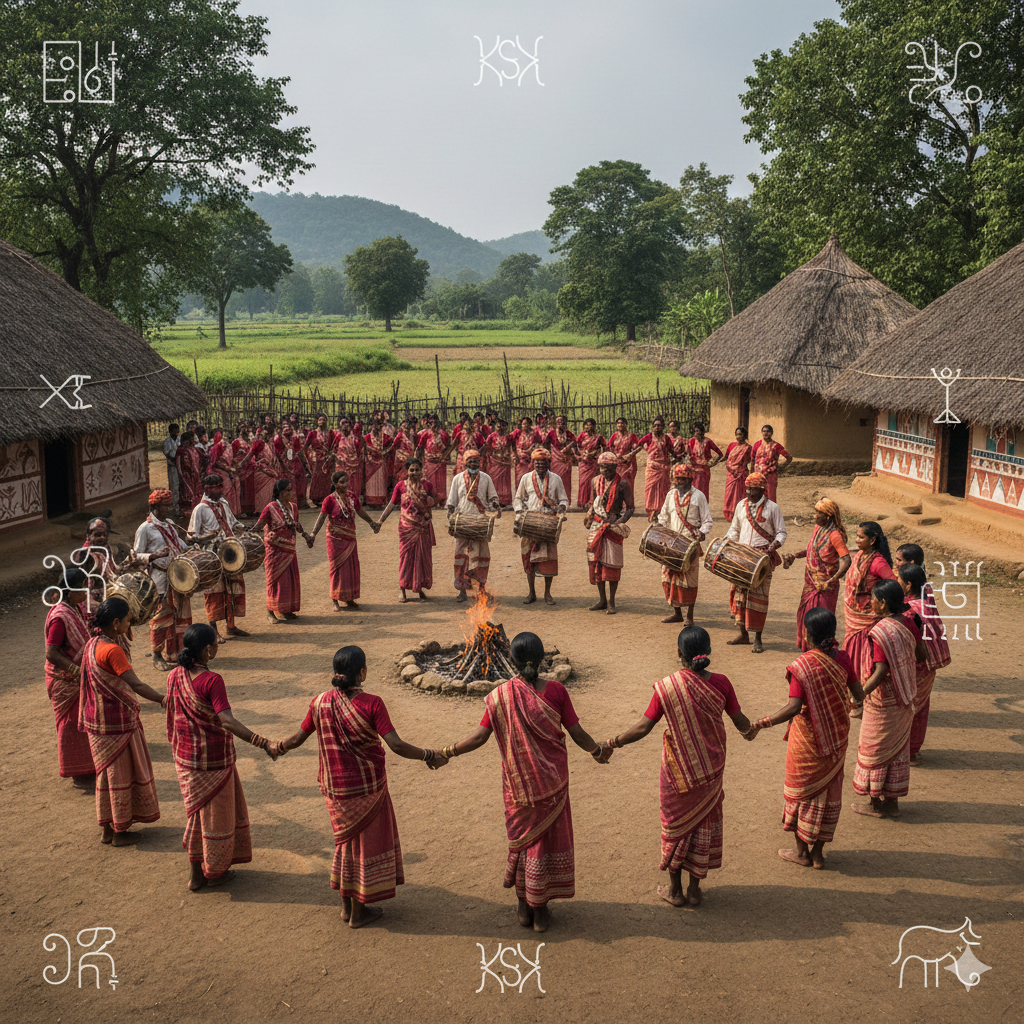
Public Celebrations
Across tribal regions, remembrance days and community gatherings are organized to honor the legacy of tribal leaders and reformers. These celebrations include traditional music, dance, storytelling, and collective prayers, reinforcing cultural pride and passing historical consciousness to younger generations through shared participation.
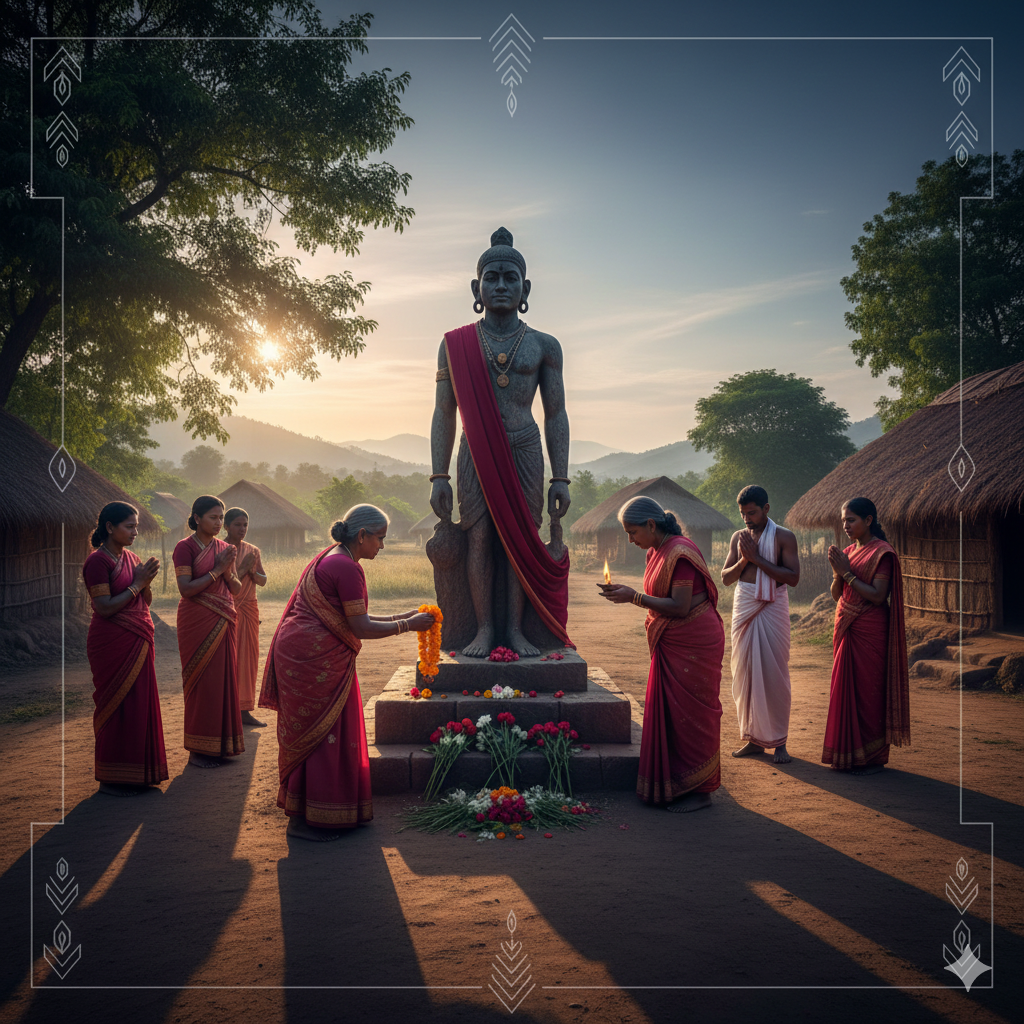
Memorial Sites
Memorials, statues, and preserved ancestral sites serve as physical symbols of sacrifice and resistance. Located in villages, towns, or significant historical locations, these spaces act as centers for reflection, education, and tribute, connecting present generations with the struggles and values of the past.
Institutional Honours
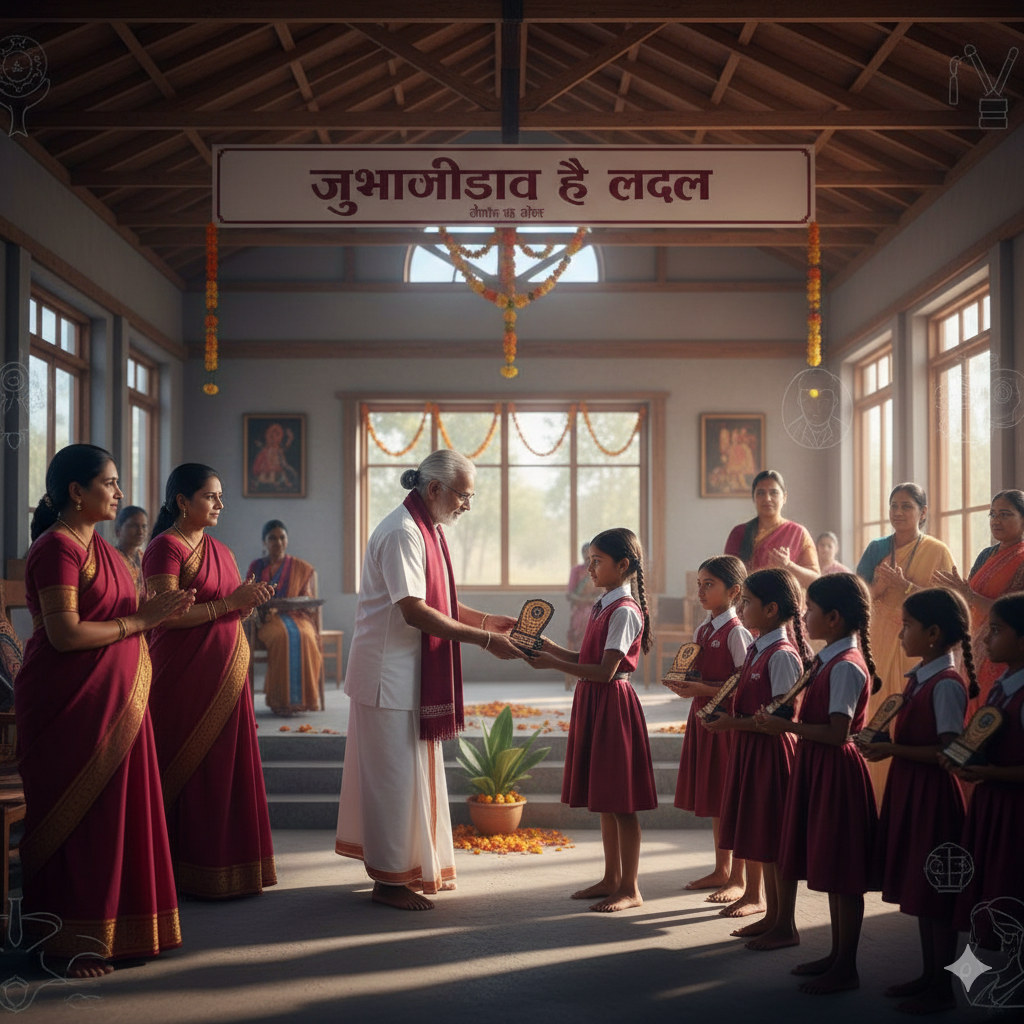
Schools, institutions, awards, and public programs named in honour of tribal icons recognize their contribution to social reform and freedom movements. Such honours ensure continued visibility in public memory and integrate tribal history into formal education and civic recognition.
Influences That Shaped His Ideology
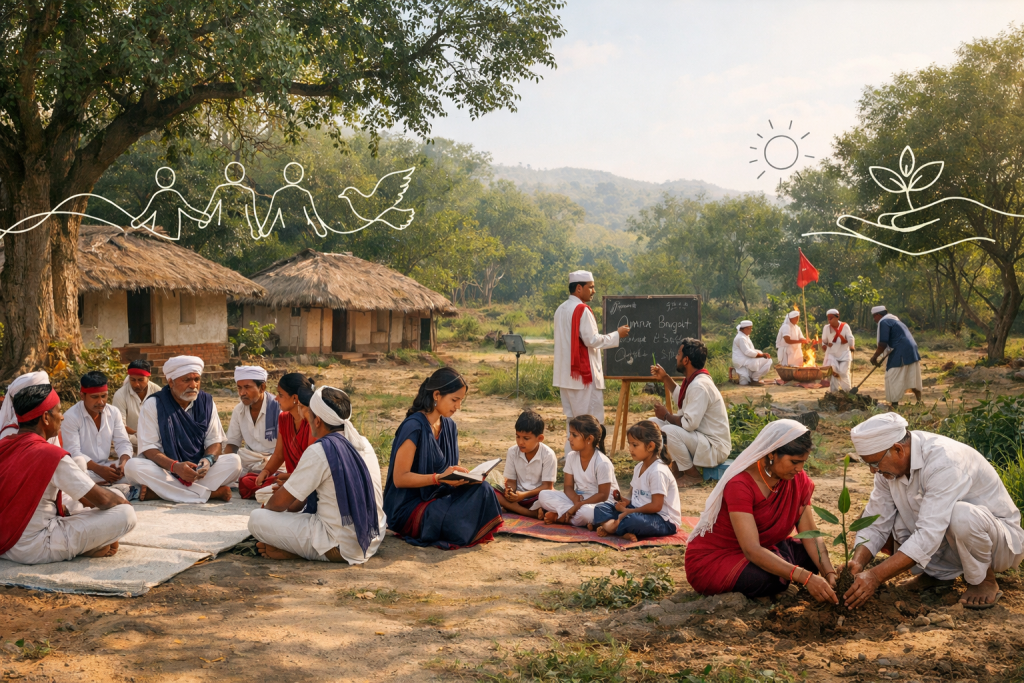
The philosophy of the Tana Bhagat Movement continues to inspire tribal communities across Jharkhand and other regions of India. Its principles of non-violence, moral discipline, unity, and self-reliance remain deeply embedded in the cultural practices and social organization of tribal societies. Modern tribal initiatives—ranging from grassroots activism, educational programs, and environmental preservation projects—reflect the same ethical framework that Jatra Bhagat promoted. By combining spiritual values with practical social reforms, these communities maintain a sense of dignity, resilience, and cultural pride, ensuring that the movement’s ethos remains relevant in contemporary life.
Moreover, the Tana Bhagat philosophy has influenced wider movements for indigenous rights, social justice, and ethical governance. Leaders and organizations continue to draw on its emphasis on collective responsibility, peaceful advocacy, and cultural identity as tools for empowerment. Community gatherings, festivals, and commemorative events serve both as reminders of historical struggles and as active platforms for spreading ethical awareness and solidarity. In this way, the Tana Bhagat philosophy is not merely a historical memory; it is a living, evolving guide that informs the social, political, and cultural life of tribal populations today, shaping their responses to challenges and sustaining the legacy of non-violent resistance.