
Early Life
- Home
- Early Life
Birth
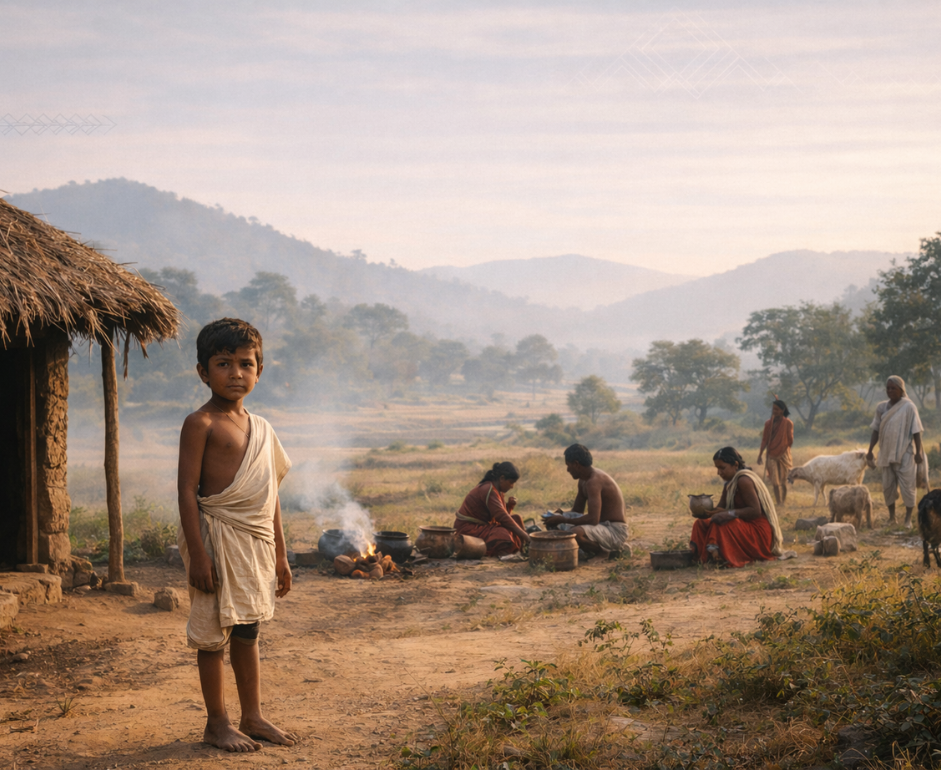
Jatra Bhagat was born in the late 19th century in the Chotanagpur plateau, a region known for its rich tribal culture and traditions.
Family
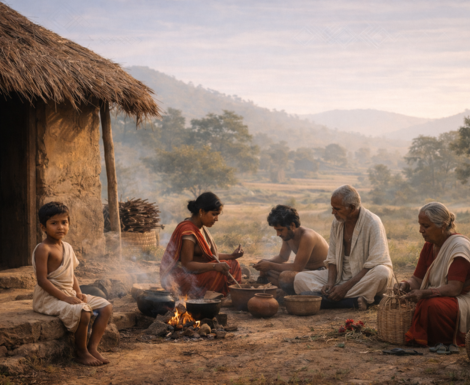
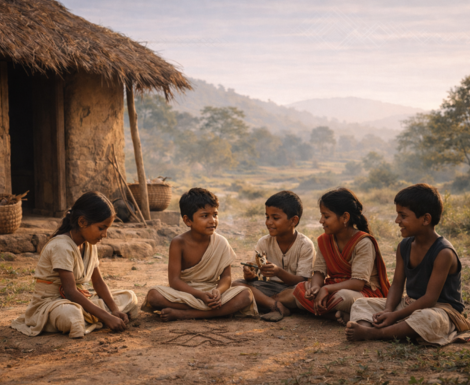
Jatra Bhagat was born into a modest tribal family, belonging to a community deeply rooted in indigenous traditions and customs.
Social Environment in Jharkhand
Jharkhand during the late nineteenth and early twentieth centuries was shaped by a complex social environment marked by deep-rooted tribal traditions and increasing external pressures. Indigenous communities lived closely connected to forests, land, and seasonal cycles, with social life guided by customary laws, collective decision-making, and spiritual beliefs. Village councils and elders played a central role in maintaining harmony and resolving disputes. However, this traditional social structure began to face disruption due to colonial administrative systems, forest regulations, and land revenue policies that weakened tribal control over natural resources. Forced labor, heavy taxation, and the erosion of customary rights created widespread economic hardship and social insecurity. At the same time, missionary influence and external cultural forces challenged indigenous belief systems, leading to internal conflicts and a gradual loss of cultural confidence. These conditions generated a sense of injustice and unrest within tribal society, particularly among communities that depended on land and forest resources for survival. Despite these pressures, tribal society remained resilient, preserving its cultural practices, oral traditions, and collective identity as a means of survival and resistance.
Within this environment, Jharkhand witnessed the rise of spiritual and social reform movements that sought to restore dignity and moral order within tribal society. Leaders like Jatra Bhagat emerged as voices of conscience, responding to social disintegration with calls for ethical living, unity, and self-discipline. The social atmosphere was characterized by a growing awareness of exploitation and a desire for reform that was rooted in indigenous values rather than external ideologies. Communities began questioning harmful customs, alcohol consumption, and social divisions, while emphasizing cleanliness, moral conduct, and collective responsibility. This period also saw the blending of spiritual awakening with social resistance, as faith became a tool for mobilization and reform. The Tana Bhagat Movement reflected this transformation, promoting non-violent resistance and social purity as means of asserting dignity and self-respect. The social environment of Jharkhand thus became a fertile ground for reformist leadership, where spiritual belief, cultural identity, and social justice converged to shape a collective movement for change and resilience.
Influences That Shaped His Ideology
Tribal Spiritual Traditions
Jatra Bhagat’s ideology was deeply influenced by indigenous spiritual practices that emphasized harmony with nature, moral discipline, and collective well-being. These traditions shaped his belief in ethical living as the foundation of social reform.
Social Injustice
The widespread exploitation of tribal communities under colonial rule—through forced labor, land alienation, and heavy taxation—strongly shaped his reformist outlook and commitment to social justice.
Community Life
Growing up in a close-knit tribal society taught Jatra Bhagat the importance of unity, shared responsibility, and communal decision-making, which became central to his ideology and leadership.
Spiritual Reform
Contemporary reformist ideas emphasizing purity, non-violence, and ethical conduct influenced his vision, encouraging him to blend spirituality with peaceful resistance and social transformation.